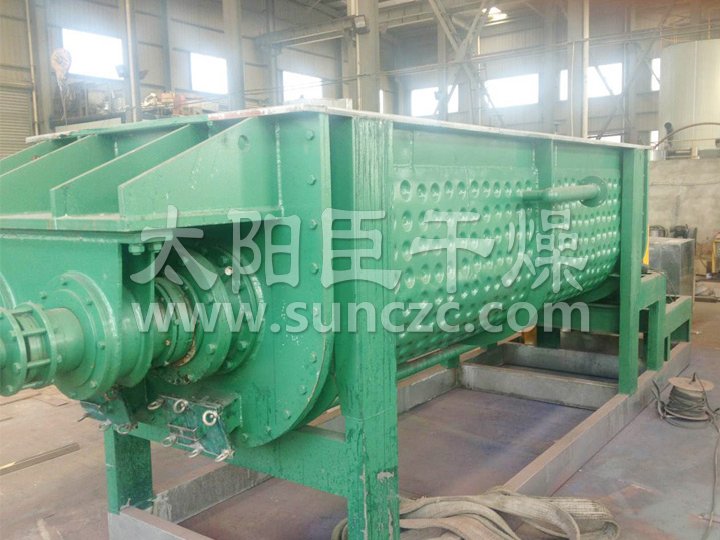
 圆盘污泥干燥机产品介绍
该产品可对膏状、颗粒状、粉状、浆状物料间接加热或冷却,可完成干燥、冷却、加热、灭菌、反应、低温燃烧等单元操作。设备中特殊的楔型搅拌传热浆叶具有较高的传热效率和传热面自清洁功能。 工作原理 空心轴上密集排列着楔型…
圆盘污泥干燥机产品介绍
该产品可对膏状、颗粒状、粉状、浆状物料间接加热或冷却,可完成干燥、冷却、加热、灭菌、反应、低温燃烧等单元操作。设备中特殊的楔型搅拌传热浆叶具有较高的传热效率和传热面自清洁功能。 工作原理 空心轴上密集排列着楔型…
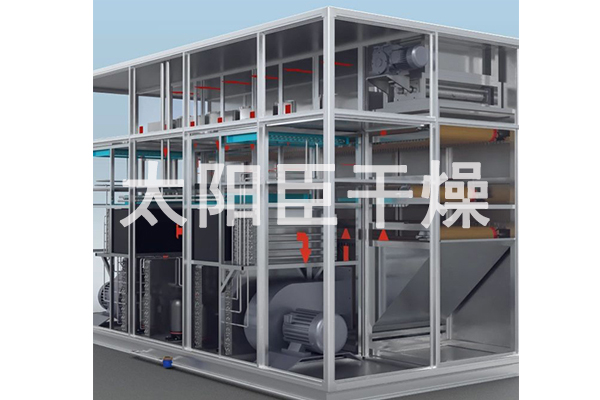 热泵污泥烘干设备一、污泥烘干设备资料 污泥除湿干化机是利用除湿热泵对污泥采用热风循环冷凝除湿烘干一种新型节能环保产品; 除湿热泵-是利用制冷系统使湿热空气降温脱湿同时通过热泵原理回收空气水份凝结潜热加热空一种装置。除湿热泵=除湿(去湿干燥)+热泵(能量回收)结合。二、…
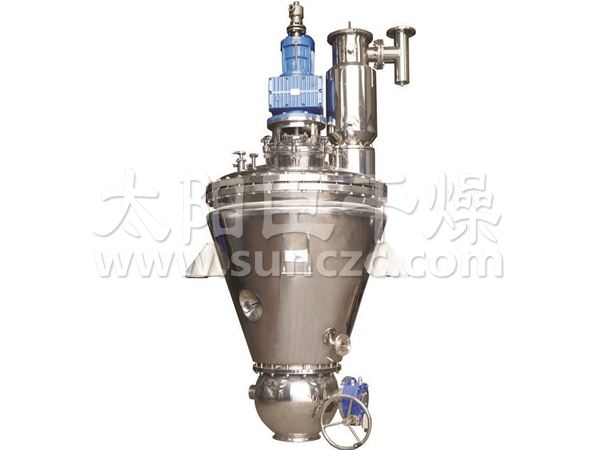 LDG系列内加热锥形螺带真空干燥机一、应用
真空接触式低温干燥方式
混合/干燥
加热/冷却
蒸馏/结晶/干燥
混合/包衣和液体注入二、规格:500L 1000L 1500L 2000L三、多用途
锥形螺带真空混合/干燥机可以再许多领域得到应用,特别适用于密闭和可控制环境下的工艺处理,如制…
LDG系列内加热锥形螺带真空干燥机一、应用
真空接触式低温干燥方式
混合/干燥
加热/冷却
蒸馏/结晶/干燥
混合/包衣和液体注入二、规格:500L 1000L 1500L 2000L三、多用途
锥形螺带真空混合/干燥机可以再许多领域得到应用,特别适用于密闭和可控制环境下的工艺处理,如制…
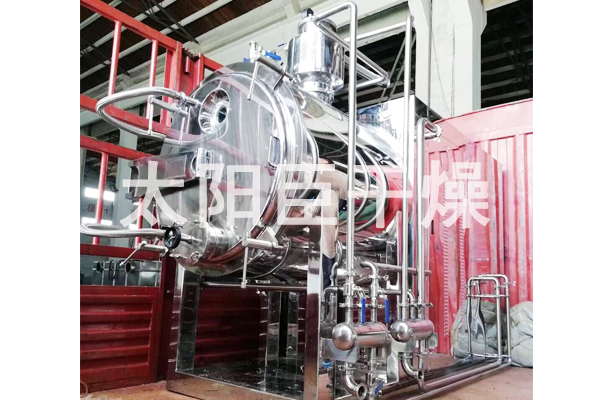 药用单臂真空耙式干燥机药用单臂真空耙式干燥机 真空耙式干燥具有结构简单,操作方便,使用周期长,性能稳定可靠,蒸汽耗量小,适用性能强,产品质量好,特别适用于不耐高温、易燃、调温下易氧化的膏状物料的干燥,该机经用户长期使用证明是一良好的干燥设备。ZPG真空耙式干燥机概…
 ZPG真空耙式干燥机工作原理 本机是一种新颖卧式间歇式真空干燥设备,湿物料经传导蒸发,带有刮板搅拌器不断清除热面上的物料,并在容器内推移形成循环流,水份蒸发后由真空泵抽出。 性能特点 ◎本机采用大面积夹层加热方式,传热面大,热效率高。
◎本机设…
ZPG真空耙式干燥机工作原理 本机是一种新颖卧式间歇式真空干燥设备,湿物料经传导蒸发,带有刮板搅拌器不断清除热面上的物料,并在容器内推移形成循环流,水份蒸发后由真空泵抽出。 性能特点 ◎本机采用大面积夹层加热方式,传热面大,热效率高。
◎本机设…
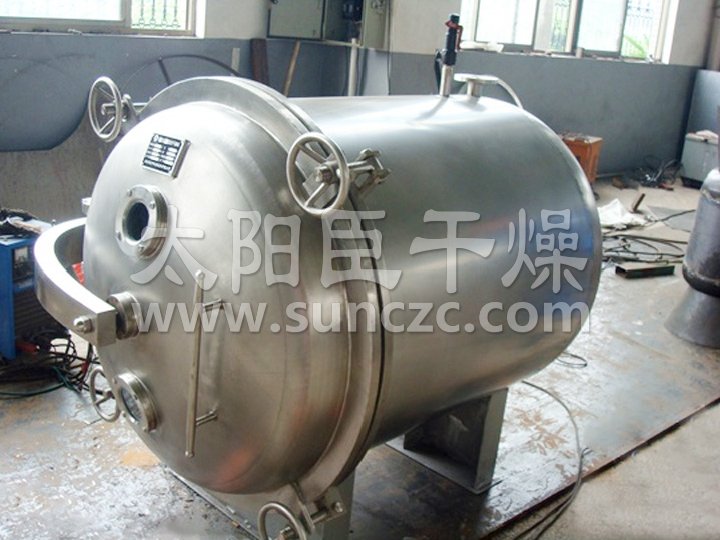 YZG圆形静态真空干燥机工作原理
所谓真空干燥,就是将干燥物料处于真空条件下,进行加热干燥。如果利用真空泵进行抽气抽湿,则加快了干燥速度。
注:如采用冷凝器.物料中的溶剂可通过冷凝器加以回收,如溶剂为水,可不用冷凝器,节省能源投资。 性能…
YZG圆形静态真空干燥机工作原理
所谓真空干燥,就是将干燥物料处于真空条件下,进行加热干燥。如果利用真空泵进行抽气抽湿,则加快了干燥速度。
注:如采用冷凝器.物料中的溶剂可通过冷凝器加以回收,如溶剂为水,可不用冷凝器,节省能源投资。 性能…
 FZG方形静态真空干燥机工作原理
所谓真空干燥,就是将干燥物料处于真空条件下,进行加热干燥。如果利用真空泵进行抽气抽湿,则加快了干燥速度。
注:如采用冷凝器.物料中的溶剂可通过冷凝器加以回收,如溶剂为水,可不用冷凝器,节省能源投资。 性能…
FZG方形静态真空干燥机工作原理
所谓真空干燥,就是将干燥物料处于真空条件下,进行加热干燥。如果利用真空泵进行抽气抽湿,则加快了干燥速度。
注:如采用冷凝器.物料中的溶剂可通过冷凝器加以回收,如溶剂为水,可不用冷凝器,节省能源投资。 性能…
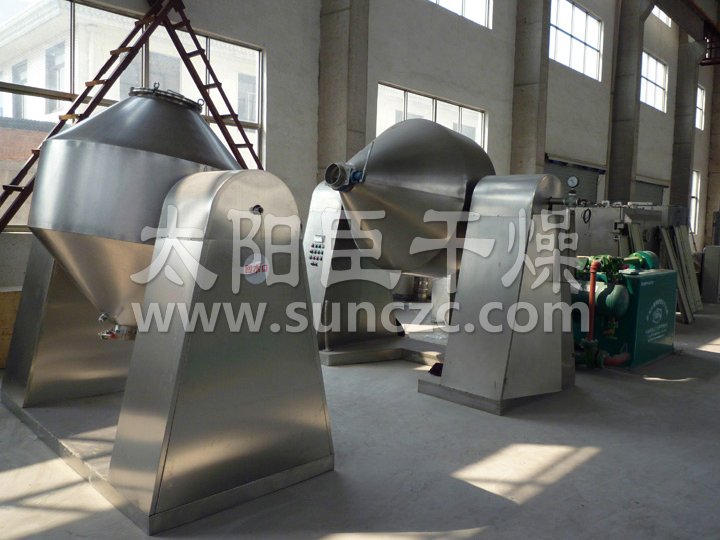 SZG系列双锥回转真空干燥机产品概述 SZG双锥真空干燥机是我厂在结合国内同类产品技术所开发的新一代干燥装置,双锥真空采用皮带--链条两弹性联接方式,因而设备运行平稳。特别设计的工艺,充分体现了两支轴的良好同心,热媒及真空系统均采用可靠的机械密封或旋转接头。在此基础上,我们…
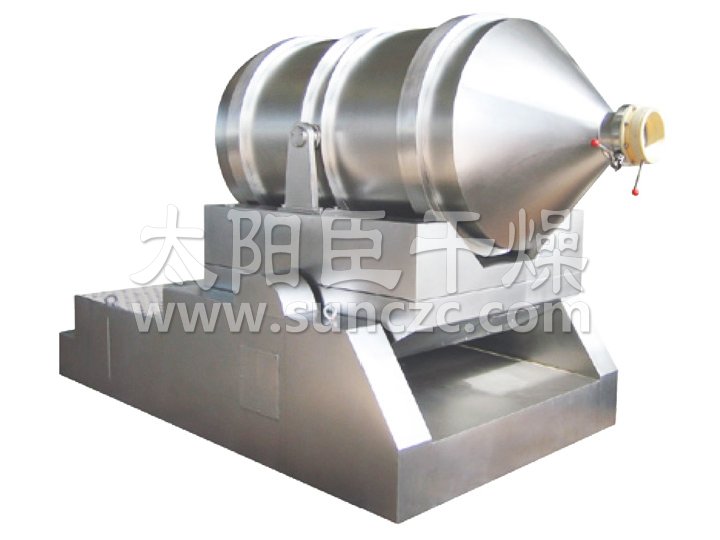 EYH系列二维运动混合机工作原理
二维混料机主要由转筒、摆动架、机架三大部分构成。转筒装在摆动架上,由四个滚轮支撑并由两个挡轮对其进行轴向定位,在四个支撑滚轮中,其中两个传动轮由转动动力系统拖动使转筒产生转动,摆动架由一组曲柄摆杆机构来驱动,曲柄摆杆机构…
EYH系列二维运动混合机工作原理
二维混料机主要由转筒、摆动架、机架三大部分构成。转筒装在摆动架上,由四个滚轮支撑并由两个挡轮对其进行轴向定位,在四个支撑滚轮中,其中两个传动轮由转动动力系统拖动使转筒产生转动,摆动架由一组曲柄摆杆机构来驱动,曲柄摆杆机构…
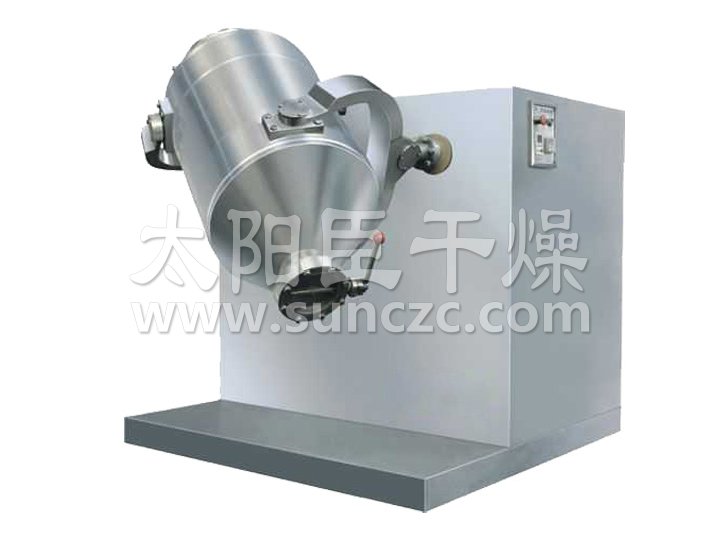 SYH系列三维运动混合机性能特点
装料的筒体在主动轴的带动下,作周而复始的平移、转动和翻滚等复合运动,促使物料沿着筒体作三向复台运动,从而实现多种物料的互相流动、扩散、积聚、掺杂.以达到均匀混合的目的。 适应物料
◎本机混合筒多方向运动…
SYH系列三维运动混合机性能特点
装料的筒体在主动轴的带动下,作周而复始的平移、转动和翻滚等复合运动,促使物料沿着筒体作三向复台运动,从而实现多种物料的互相流动、扩散、积聚、掺杂.以达到均匀混合的目的。 适应物料
◎本机混合筒多方向运动…
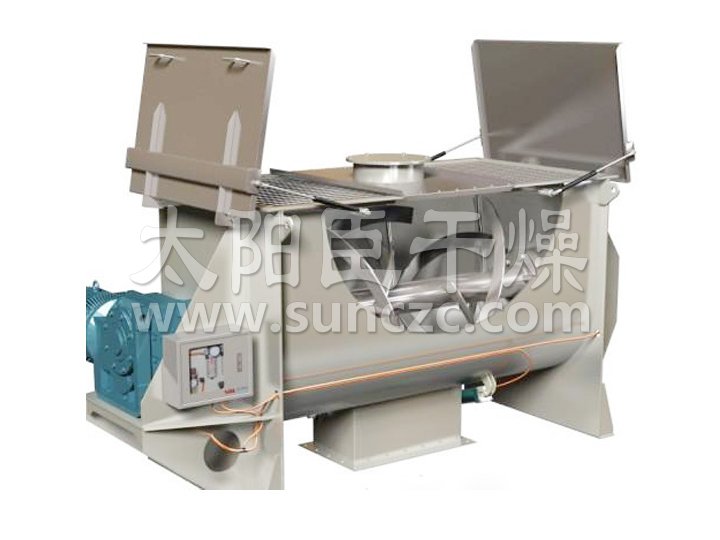 WLDH系列卧式螺带混合机工作原理
该机型由容器、螺旋搅拌叶片和传动部件组成:螺旋叶片一般做成双层或三层,外层螺旋将物料从两侧向中央汇集,内层螺旋将物料从中央两侧输送,形成对流混合。 性能特点
◎装载系数大、设备占地面积小:
◎混合粘性或具有…
WLDH系列卧式螺带混合机工作原理
该机型由容器、螺旋搅拌叶片和传动部件组成:螺旋叶片一般做成双层或三层,外层螺旋将物料从两侧向中央汇集,内层螺旋将物料从中央两侧输送,形成对流混合。 性能特点
◎装载系数大、设备占地面积小:
◎混合粘性或具有…
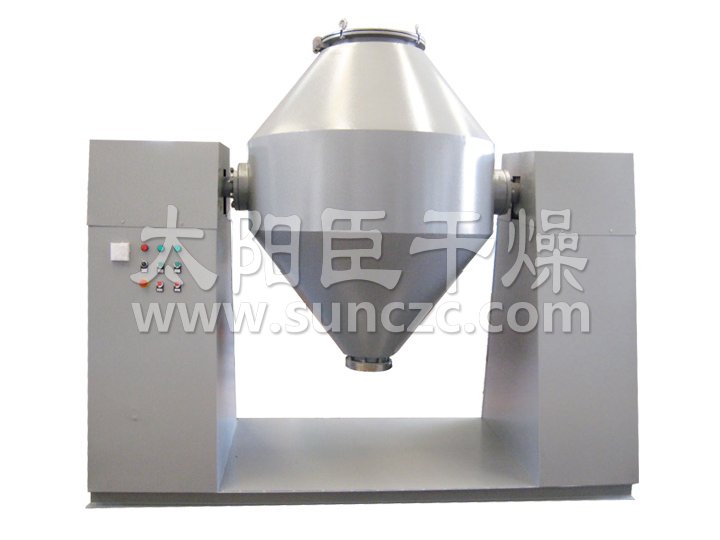 SZH系列双锥混合机性能特点 ◎本机将粉末或粒状物料通过真空输送或人工加料到双锥容器中,随着容器的不断旋转,物料在容器中进行复杂的撞击运动,达到均匀的混合。
◎本机节约能源、操作方便、劳动强度低、工作效率较高。 适应物料 ◎本机适用于医药、化…
SZH系列双锥混合机性能特点 ◎本机将粉末或粒状物料通过真空输送或人工加料到双锥容器中,随着容器的不断旋转,物料在容器中进行复杂的撞击运动,达到均匀的混合。
◎本机节约能源、操作方便、劳动强度低、工作效率较高。 适应物料 ◎本机适用于医药、化…
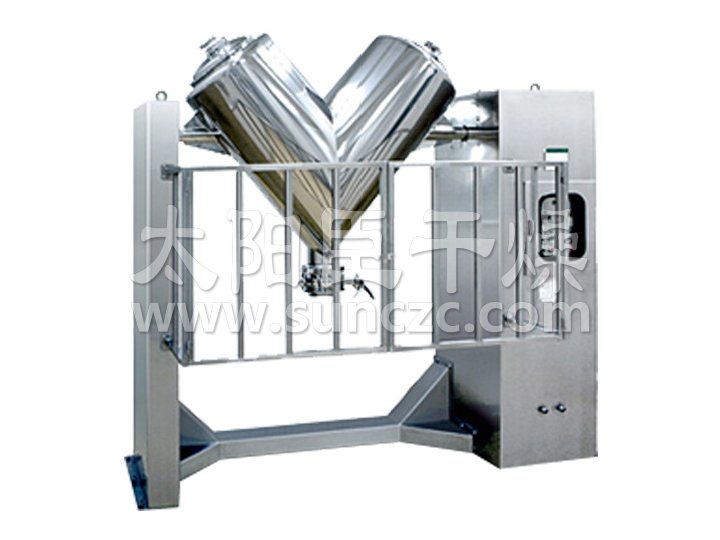 ZKH(V)系列混合机性能特点
混合筒结构独特,混合功效高、无死角、筒体用不锈钢材料制作、内外壁抛光、外形美观、混合均匀、用途广泛。 适应物料
本机用于医药、化工、食品、冶金等工业上的干物料颗粒混合。 技术规格规格\项目总容积 L工…
ZKH(V)系列混合机性能特点
混合筒结构独特,混合功效高、无死角、筒体用不锈钢材料制作、内外壁抛光、外形美观、混合均匀、用途广泛。 适应物料
本机用于医药、化工、食品、冶金等工业上的干物料颗粒混合。 技术规格规格\项目总容积 L工…
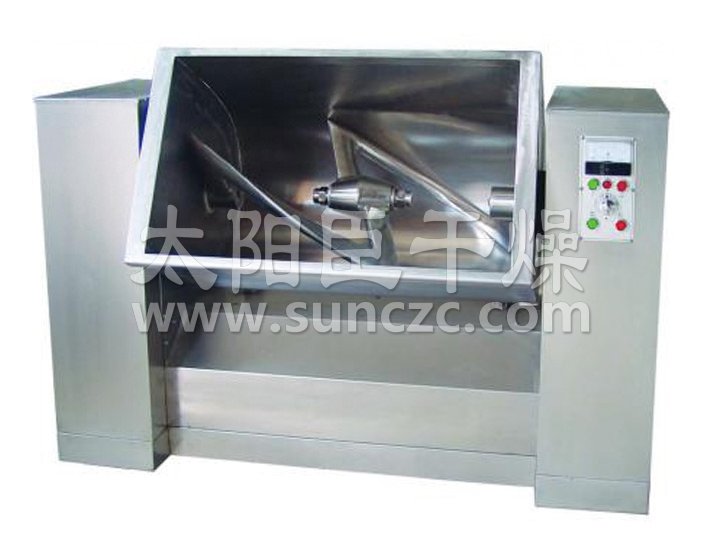 CH系列槽形混合机产品介绍
用于混合粉状或湿性物料,使不同比例主辅料混合均匀。 性能特点
◎本机与物料接触处均采用不锈钢制造,桨叶与桶身间隙小,混合无死角,搅料轴两端设有密封装置,能防止物料外泻。 适应物料
广泛适用于制药、化…
CH系列槽形混合机产品介绍
用于混合粉状或湿性物料,使不同比例主辅料混合均匀。 性能特点
◎本机与物料接触处均采用不锈钢制造,桨叶与桶身间隙小,混合无死角,搅料轴两端设有密封装置,能防止物料外泻。 适应物料
广泛适用于制药、化…
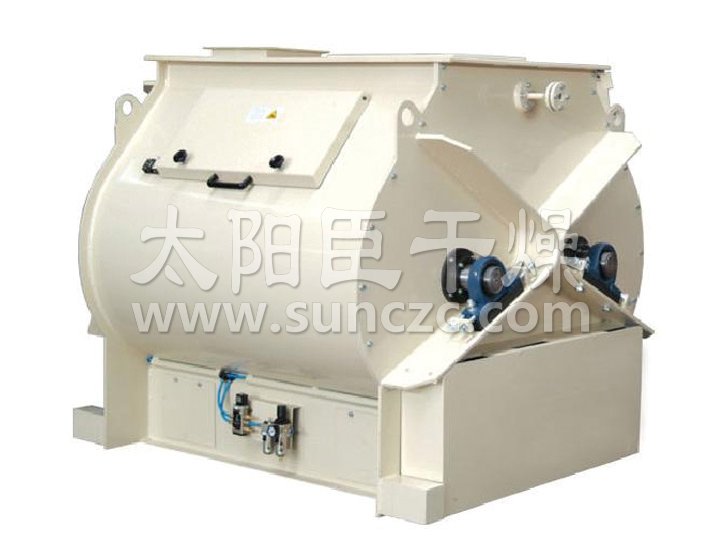 WZ系列无重力混合机工作原理
本系列混合机以强烈、高效混合为特点、卧式筒体内两根搅拌等速反向旋转,上特殊布置的桨叶确保物料径向、环向、轴向三向运动,形成复合循环,在极短的时间内达到均匀混合。 产品特点
1、混合精度高,速度快,能耗低,可密封…
WZ系列无重力混合机工作原理
本系列混合机以强烈、高效混合为特点、卧式筒体内两根搅拌等速反向旋转,上特殊布置的桨叶确保物料径向、环向、轴向三向运动,形成复合循环,在极短的时间内达到均匀混合。 产品特点
1、混合精度高,速度快,能耗低,可密封…
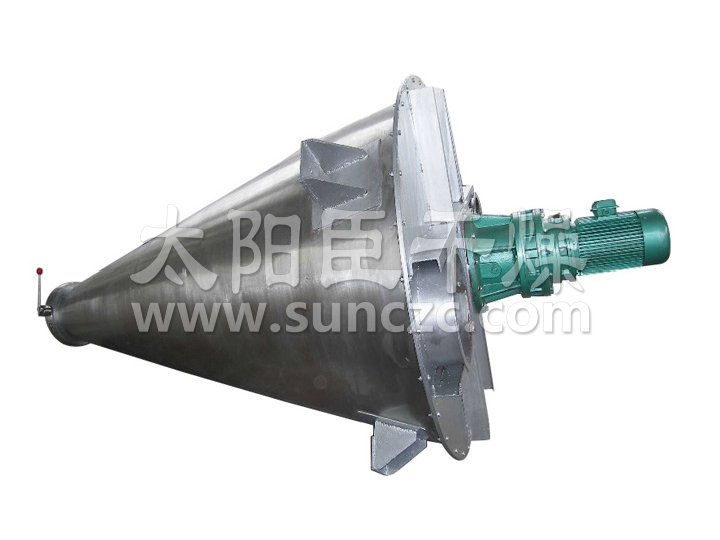 DSH系列双螺旋锥形混合机产品概述
由螺旋的公 、自转使物料在锥体内产生复合运动,主要产生四种运动形式:
1. 螺旋沿壁公转,使物料沿锥壁作圆周运动;
2. 螺旋自转使物料自锥底沿螺旋上升;
3. 螺旋的公 、自转复合运动使一部分物料被吸收到螺…
DSH系列双螺旋锥形混合机产品概述
由螺旋的公 、自转使物料在锥体内产生复合运动,主要产生四种运动形式:
1. 螺旋沿壁公转,使物料沿锥壁作圆周运动;
2. 螺旋自转使物料自锥底沿螺旋上升;
3. 螺旋的公 、自转复合运动使一部分物料被吸收到螺…
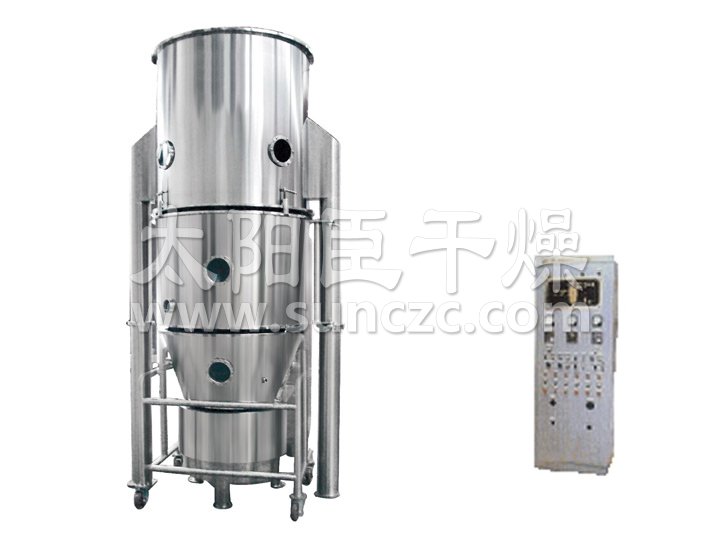
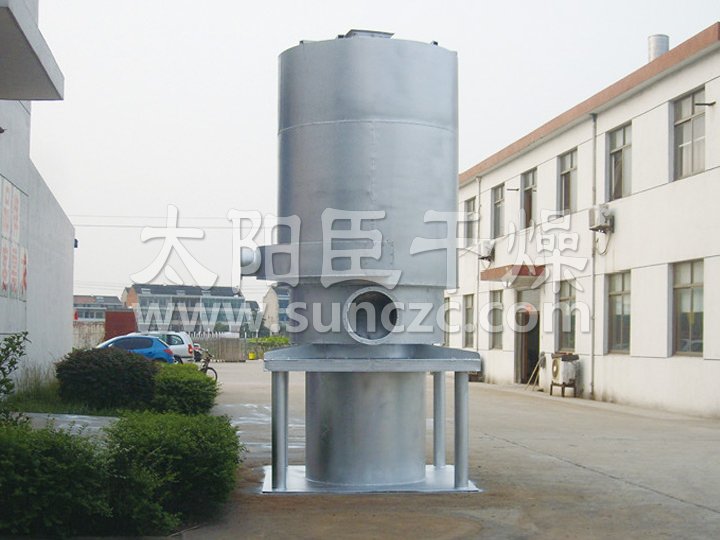 FL、FG系列立式沸腾(制粒)干燥机应用领域
◎药品造粒及包衣
造粒:压片颗粒、冲剂颗粒、胶囊用颗粒。
包衣:颗粒、丸剂保护层、备色、缓释、薄膜、肠溶 包衣。
◎食品造粒及包衣
砂糖、咖啡、可可粉末、奶油、粉末果汁、氨基酸、调味料、膨化食品。…
FL、FG系列立式沸腾(制粒)干燥机应用领域
◎药品造粒及包衣
造粒:压片颗粒、冲剂颗粒、胶囊用颗粒。
包衣:颗粒、丸剂保护层、备色、缓释、薄膜、肠溶 包衣。
◎食品造粒及包衣
砂糖、咖啡、可可粉末、奶油、粉末果汁、氨基酸、调味料、膨化食品。…
 PGL系列喷雾干燥制粒机产品概述
本机组是一种可以同时完成干燥和造粒的装置。按工艺要求可以调节料液泵的压力、流量、喷孔的大小,得到所需的按一定大小比例的球形颗粒。
本机组工作过程为料液通过隔膜泵高压输入,喷出雾状液滴,然后同热空气并流下降,大部分粉粒…
PGL系列喷雾干燥制粒机产品概述
本机组是一种可以同时完成干燥和造粒的装置。按工艺要求可以调节料液泵的压力、流量、喷孔的大小,得到所需的按一定大小比例的球形颗粒。
本机组工作过程为料液通过隔膜泵高压输入,喷出雾状液滴,然后同热空气并流下降,大部分粉粒…
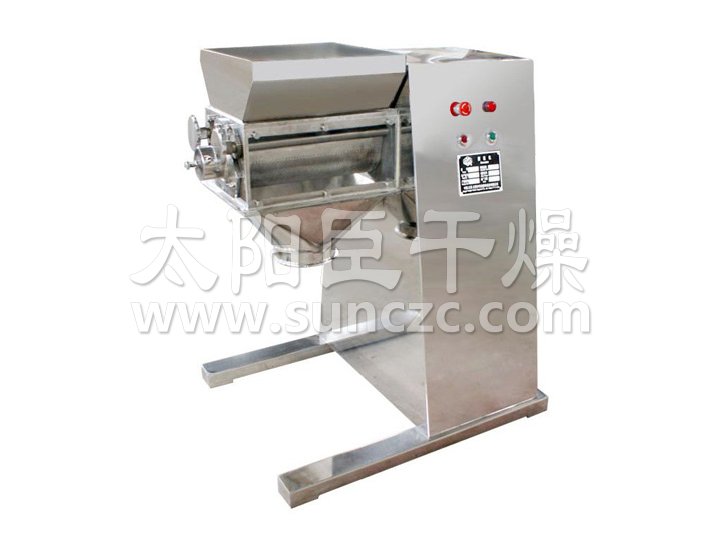 YK系列摇摆式颗粒机工作原理
将搅拌好的物料制成所需尺寸的颗粒,或将结块状物料打成小颗粒。 适应物料
本机适用于制药、化工、食品、固体饮料等行业的制粒。 技术规格型号YK160YK320生产能力50-200 kg/h50-400 kg/h电机功率2.2kw7.5kw滚筒…
YK系列摇摆式颗粒机工作原理
将搅拌好的物料制成所需尺寸的颗粒,或将结块状物料打成小颗粒。 适应物料
本机适用于制药、化工、食品、固体饮料等行业的制粒。 技术规格型号YK160YK320生产能力50-200 kg/h50-400 kg/h电机功率2.2kw7.5kw滚筒…
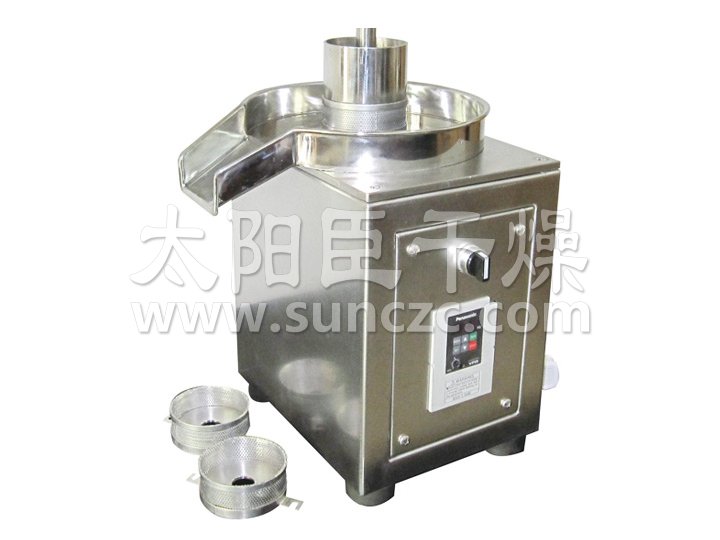 ZLB系列旋转式制粒机应用范围
本机用于制药、食品、冲剂、化工、固体饮料等行业,将搅拌好的物料制成所需颗粒,特别适用对粘性较高的物料。
性能特点
本机凡与物料接触部分均采用不锈钢制作,外形美观,结构合理,制粒成型率高,颗…
ZLB系列旋转式制粒机应用范围
本机用于制药、食品、冲剂、化工、固体饮料等行业,将搅拌好的物料制成所需颗粒,特别适用对粘性较高的物料。
性能特点
本机凡与物料接触部分均采用不锈钢制作,外形美观,结构合理,制粒成型率高,颗…
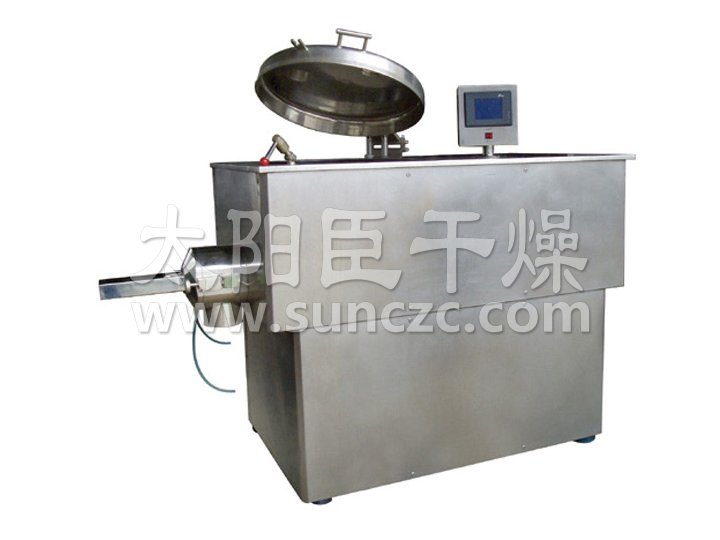 GHL系列高速混合制粒机工作原理
粉体物料与粘合剂在圆筒形容器中由底部混合浆充分混合成湿润软材,然后由侧置的高速粉碎桨切割成均匀的湿颗粒。 性能特点
◎本机采用卧式圆筒构造,结构合理。
◎充气密封驱动轴,清洗时可切换成水。
◎流…
GHL系列高速混合制粒机工作原理
粉体物料与粘合剂在圆筒形容器中由底部混合浆充分混合成湿润软材,然后由侧置的高速粉碎桨切割成均匀的湿颗粒。 性能特点
◎本机采用卧式圆筒构造,结构合理。
◎充气密封驱动轴,清洗时可切换成水。
◎流…
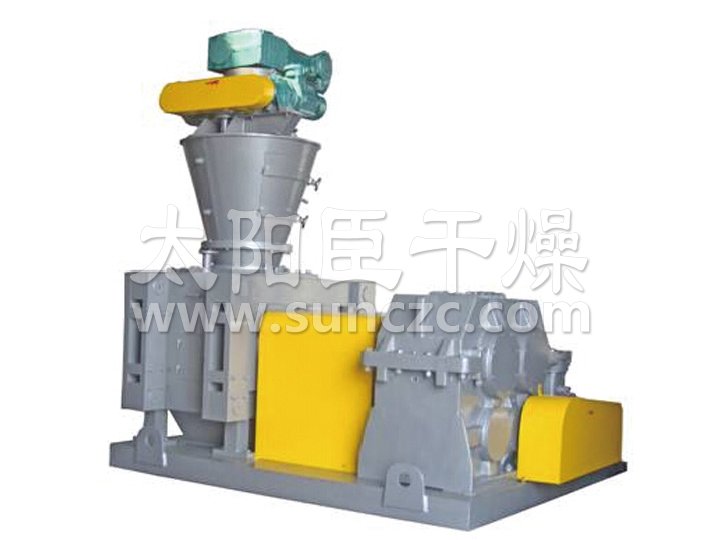 GZL系列干法辊压造粒机产品概述
挤压造粒是一种较新的干法造粒生产复合肥料的工艺。挤压造粒在肥料领域早期应用于氯化钾的造粒,用于掺混肥料(BB肥)所需的颗粒状(1-4mm)氯化钾基本都采用挤压法生产。近年来,挤压造粒用于生产复混肥料在国内得到了较快的发展。
挤压造粒…
GZL系列干法辊压造粒机产品概述
挤压造粒是一种较新的干法造粒生产复合肥料的工艺。挤压造粒在肥料领域早期应用于氯化钾的造粒,用于掺混肥料(BB肥)所需的颗粒状(1-4mm)氯化钾基本都采用挤压法生产。近年来,挤压造粒用于生产复混肥料在国内得到了较快的发展。
挤压造粒…
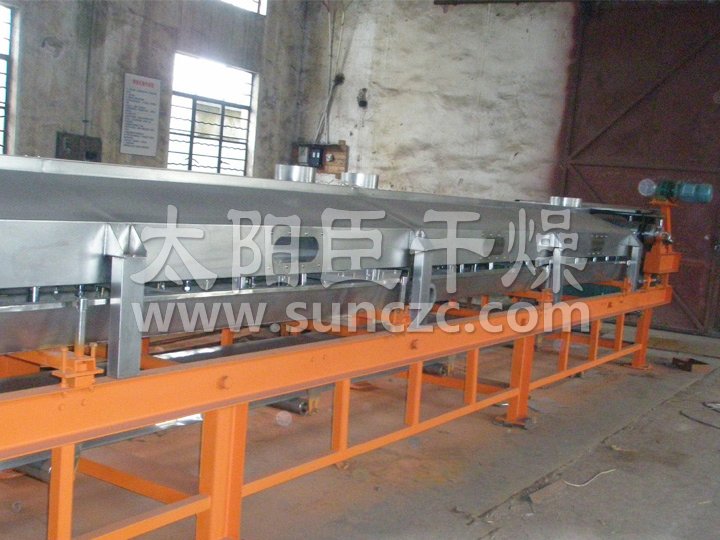 RL系列熔融造粒机概述
RL型造粒机是利用物料的熔点低于250℃的特性,根据物料熔融态时的粘度范围,通过特殊的布料装置将熔融液均匀在其下方匀速移动的钢带上,在钢带下方设置的连续喷淋装置的冷却作用下,使物料在输送、移运过程中得到冷却、固化、包装,从而达到造粒成型的…
RL系列熔融造粒机概述
RL型造粒机是利用物料的熔点低于250℃的特性,根据物料熔融态时的粘度范围,通过特殊的布料装置将熔融液均匀在其下方匀速移动的钢带上,在钢带下方设置的连续喷淋装置的冷却作用下,使物料在输送、移运过程中得到冷却、固化、包装,从而达到造粒成型的…
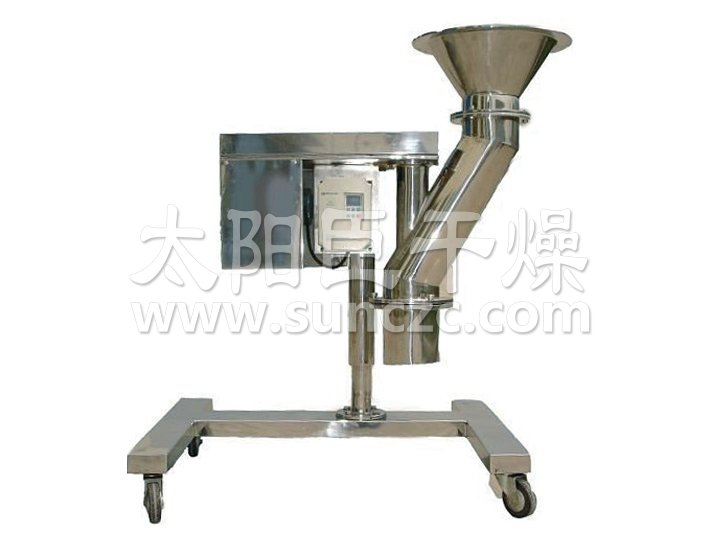 KZL系列快速整粒(粉碎)机工作原理
◎工作时发热小.粉尘少。
◎定子筛网由不锈钢加工而成,不易损坏。
◎粉碎刀与筛网间隙可调。
◎可处理粘性,树胶状,热和湿润物料。 适应物料
◎干式、湿式颗粒均匀化、整粒。
◎团块物料的粉碎、整粒…
KZL系列快速整粒(粉碎)机工作原理
◎工作时发热小.粉尘少。
◎定子筛网由不锈钢加工而成,不易损坏。
◎粉碎刀与筛网间隙可调。
◎可处理粘性,树胶状,热和湿润物料。 适应物料
◎干式、湿式颗粒均匀化、整粒。
◎团块物料的粉碎、整粒…
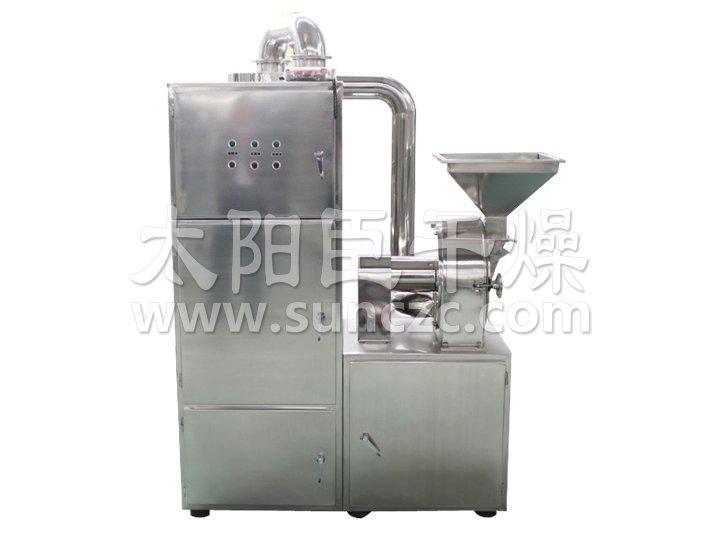 30B系列万能高效粉碎机(组)特点与用途 本机(组)适用于医药、化工、食品、农药等行业脆性物料的粉碎,集粉碎与吸尘为一体的新一代粉碎设备,用途极为广泛。 结构与原理
本机组利用活动齿盘和固定齿盘间的相对运动,使物料经齿冲击、摩擦及物料彼此间;冲击而获得粉碎。粉碎好…
30B系列万能高效粉碎机(组)特点与用途 本机(组)适用于医药、化工、食品、农药等行业脆性物料的粉碎,集粉碎与吸尘为一体的新一代粉碎设备,用途极为广泛。 结构与原理
本机组利用活动齿盘和固定齿盘间的相对运动,使物料经齿冲击、摩擦及物料彼此间;冲击而获得粉碎。粉碎好…
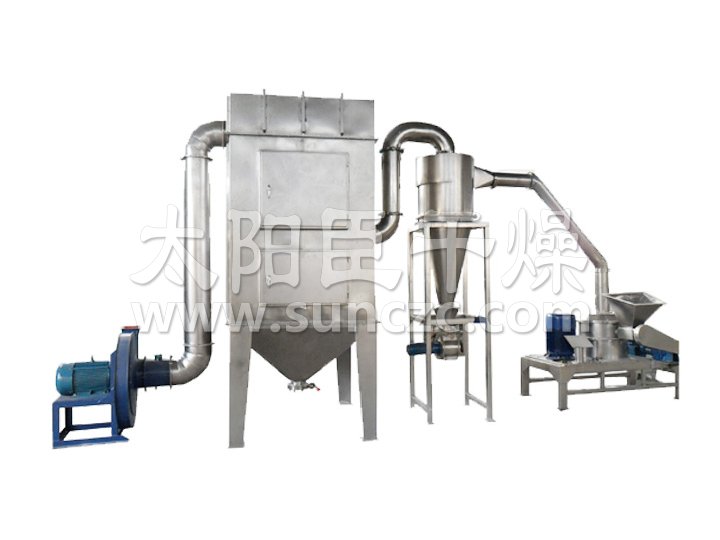 WFJ系列微粉碎机概述 本机由主机、辅机、电控箱三部分组成,具有风选式,无筛网,粒度均匀等多种性能,生产过程连续进行,适用于制药、化工、食品等行业脆性物料的粉碎。 技术规格型号单位WFJ-15WFJ-18WFJ-32生产能力kg/h10-20020-45060-800进料粒度mm<10<10<15出料…
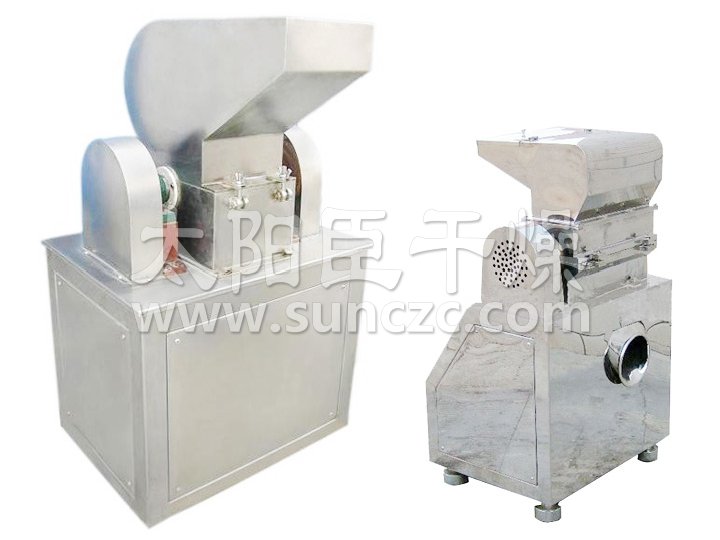 CSJ型粗粉碎机产品用途
该机适用于制药、化工、冶金、食品、建筑等行业。对坚硬难粉碎的物料进行加工,包括对塑料,铜丝、中草药、橡胶等进行粉碎,也能作为微粉碎机、超微粉碎机加工前道工序的配套设备。
工作原理
物料由进料斗送进粉碎室,经刀刃…
CSJ型粗粉碎机产品用途
该机适用于制药、化工、冶金、食品、建筑等行业。对坚硬难粉碎的物料进行加工,包括对塑料,铜丝、中草药、橡胶等进行粉碎,也能作为微粉碎机、超微粉碎机加工前道工序的配套设备。
工作原理
物料由进料斗送进粉碎室,经刀刃…
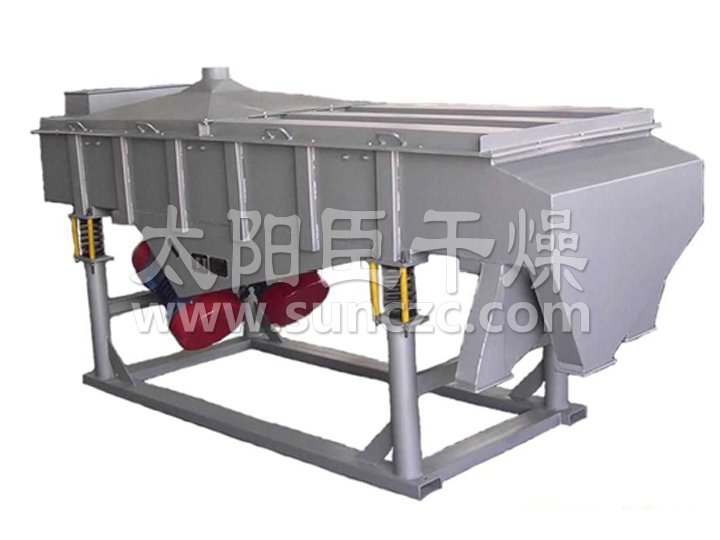 FS系列方形振荡筛概述
该机是由进出料口筛网筛箱、振动源及减震器三大部件构成。机座与筛箱连接有4-6组软橡胶减震器上下固定,开机即产生离心力,振幅有偏心块、减震器对应控制,从而达到需要的工作性能,使物料有一个抛震和松动的过筛过程。广泛适用于制药、食品、…
FS系列方形振荡筛概述
该机是由进出料口筛网筛箱、振动源及减震器三大部件构成。机座与筛箱连接有4-6组软橡胶减震器上下固定,开机即产生离心力,振幅有偏心块、减震器对应控制,从而达到需要的工作性能,使物料有一个抛震和松动的过筛过程。广泛适用于制药、食品、…
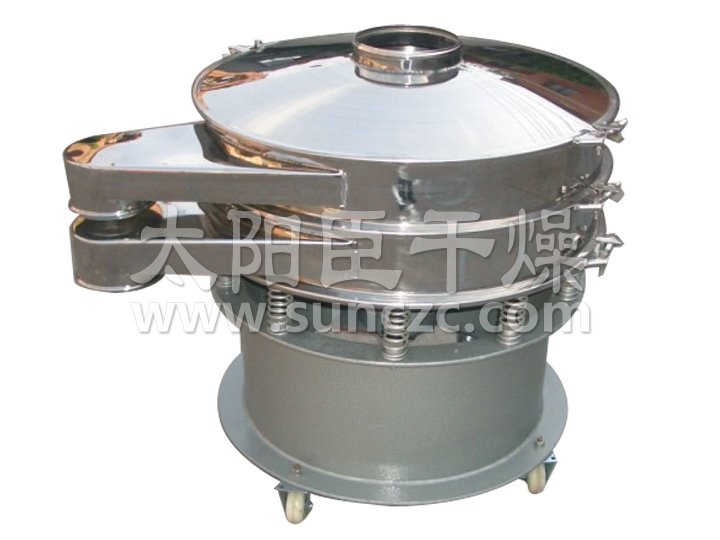 ZS系列圆形振荡筛概述
本机由料斗、振荡室、联轴器、电机组成。振荡室内有偏心轮、橡胶软件、主轴、轴承等组成。可调节的偏心重锤经马达驱动传达到主轴中心线,在不平衡的状态下产生离心力,使物料强度改变,在筛内形成轨道旋涡。重锤调节器的振幅大小可根据不同物…
ZS系列圆形振荡筛概述
本机由料斗、振荡室、联轴器、电机组成。振荡室内有偏心轮、橡胶软件、主轴、轴承等组成。可调节的偏心重锤经马达驱动传达到主轴中心线,在不平衡的状态下产生离心力,使物料强度改变,在筛内形成轨道旋涡。重锤调节器的振幅大小可根据不同物…
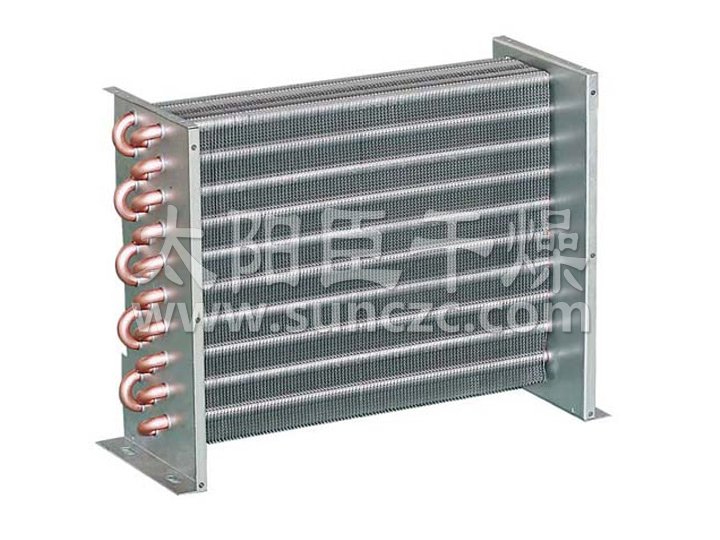 SRQ系列散热器产品介绍
我公司生产的螺旋翅片式空气热交换器,又名散热器、散热排管,是以冷热媒质进行冷却或加热空气的换热装置中的主要设备。 适应物料
散热器用于热风采暖、空调、冷却、除湿、烘干等工程,适用于蒸汽或高温水可以加热空气,通…
SRQ系列散热器产品介绍
我公司生产的螺旋翅片式空气热交换器,又名散热器、散热排管,是以冷热媒质进行冷却或加热空气的换热装置中的主要设备。 适应物料
散热器用于热风采暖、空调、冷却、除湿、烘干等工程,适用于蒸汽或高温水可以加热空气,通…
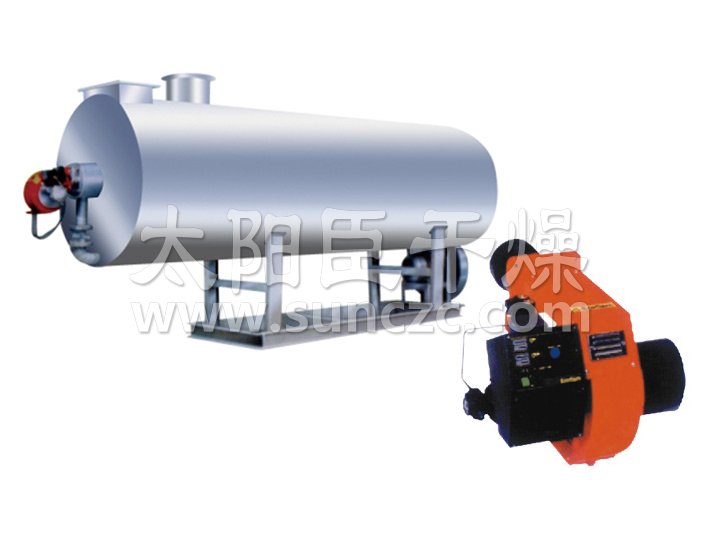 RLY系列燃油热风炉工作原理
燃料通过燃烧器燃烧,产生高温燃气。并借助具有强化换热措施的热风炉将高温燃气的热量传导给被加热的空气,高温燃气经热量散发后温度降低至250℃后排到大气中。需加热的空气通过选配的鼓风机强送入热风炉,吸热后温度升至额定值从热风出口…
RLY系列燃油热风炉工作原理
燃料通过燃烧器燃烧,产生高温燃气。并借助具有强化换热措施的热风炉将高温燃气的热量传导给被加热的空气,高温燃气经热量散发后温度降低至250℃后排到大气中。需加热的空气通过选配的鼓风机强送入热风炉,吸热后温度升至额定值从热风出口…
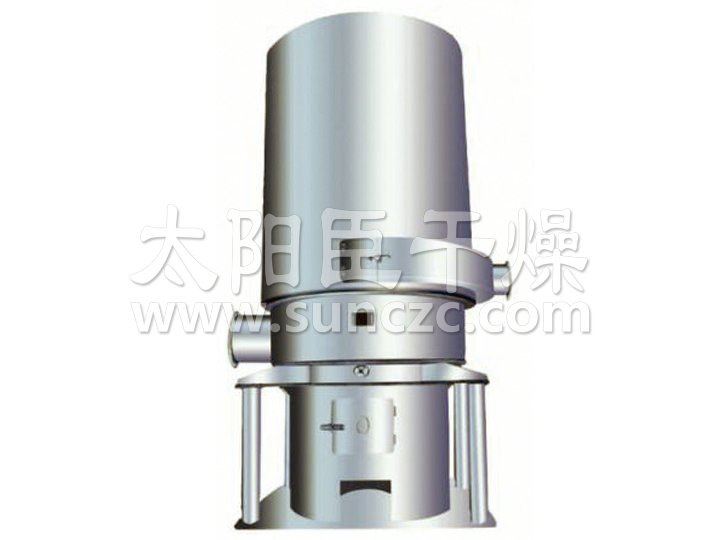 JRF系列燃煤热风炉工作原理 该炉集燃烧与换热为一体以炉体高温部位进行换热的新型间接加热技术,烟和空气各行其道,加热环保,热效率高(达60-75%),升温快,体积小,安装方便,使用可靠,且价格低。 性能特点 采取了耐高温措施,从而使其寿命比列管式热…
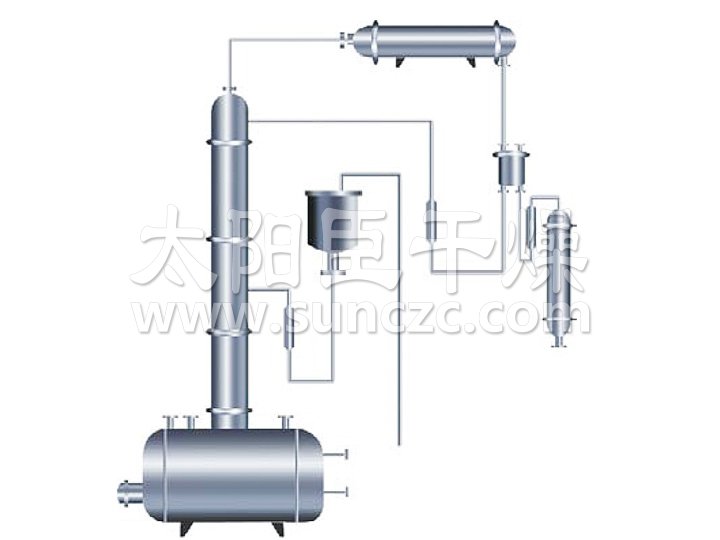 酒精回收塔设备结构特性和技术性能
本装置采用高效的陶瓷制波纹填料。蒸馏塔体采用不锈钢制作,从而防止了铁屑堵塞填料的现象,延长了装置的使用期限。本装置中凡接触酒精的设备部份如冷凝器、稳压罐、冷却蛇管等均采用不锈钢,以确保成品酒精不被污染。W型之…
酒精回收塔设备结构特性和技术性能
本装置采用高效的陶瓷制波纹填料。蒸馏塔体采用不锈钢制作,从而防止了铁屑堵塞填料的现象,延长了装置的使用期限。本装置中凡接触酒精的设备部份如冷凝器、稳压罐、冷却蛇管等均采用不锈钢,以确保成品酒精不被污染。W型之…
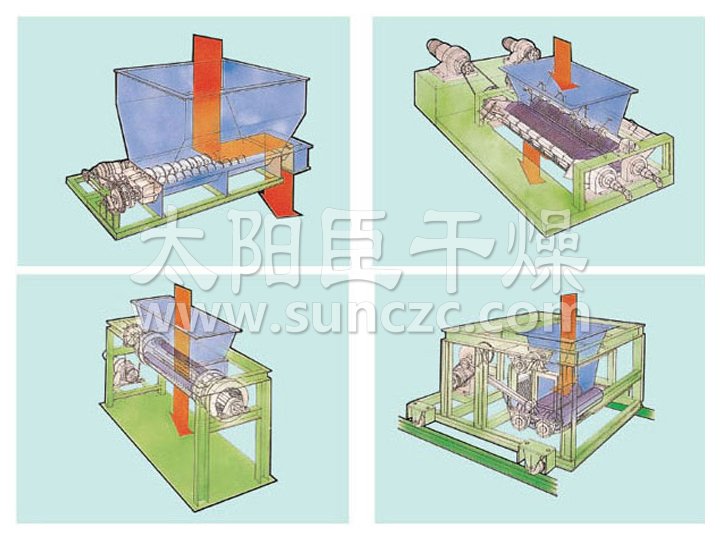 CG系列成形机产品介绍◎槽形成型机: 由加料斗和刻有槽的二根辊子构成。以增大物料表面积的造粒为目的。物料被内侧运转的辊子吸入,被反转的外侧刮刀切成粒状。◎水平挤出成型机: 由加料斗、二根辊子和U形振动网构成。以增大物料的表面积为目的,造粒物料与振动网接触,由旋转辊子的…
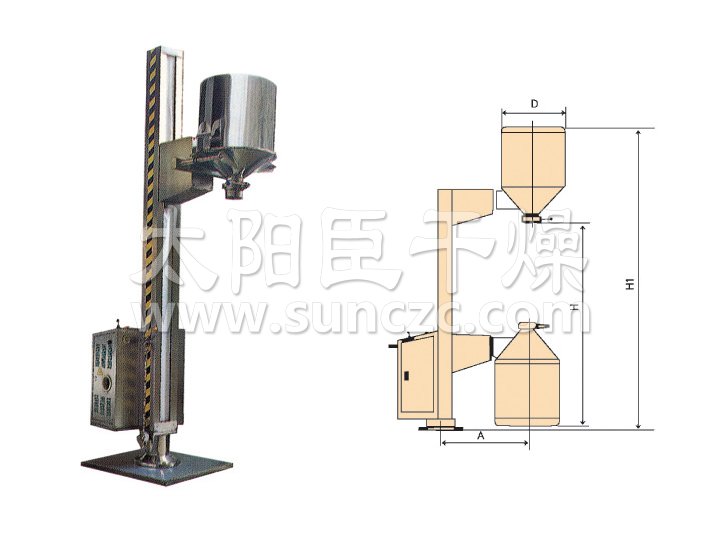 TJG固定提升加料机概述 TJG 系列固定提升加料机由两部分组成,即提升机及底座。提升机由机架、液压提升系统及料门翻转机构组成。工作时,先将提升机的料门与料桶扣合,启动提升操作杆,料门与料桶一起上升,启动翻转操作杆,料桶即可番转180度,呈底桶向上姿态并移动到所需位置,利用料…
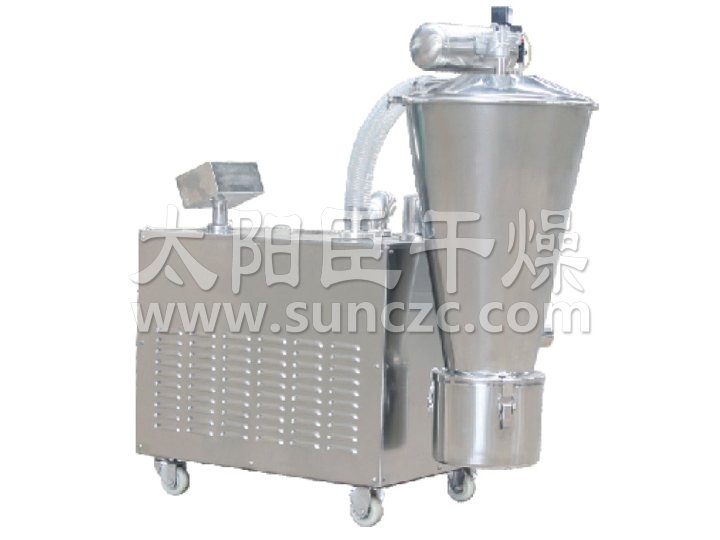 ZSL-Ⅲ系列真空上料机产品特点
上料速度快。
连续工作时间长。
无泄漏现象,清洁卫生,适合于洁净厂房。
结构紧凑、移动方便、操作简单。
装有快装卡箍,便于折装和清洗,符合要要求。 产品概述
ZSL-Ⅲ系列真空上料机…
ZSL-Ⅲ系列真空上料机产品特点
上料速度快。
连续工作时间长。
无泄漏现象,清洁卫生,适合于洁净厂房。
结构紧凑、移动方便、操作简单。
装有快装卡箍,便于折装和清洗,符合要要求。 产品概述
ZSL-Ⅲ系列真空上料机…
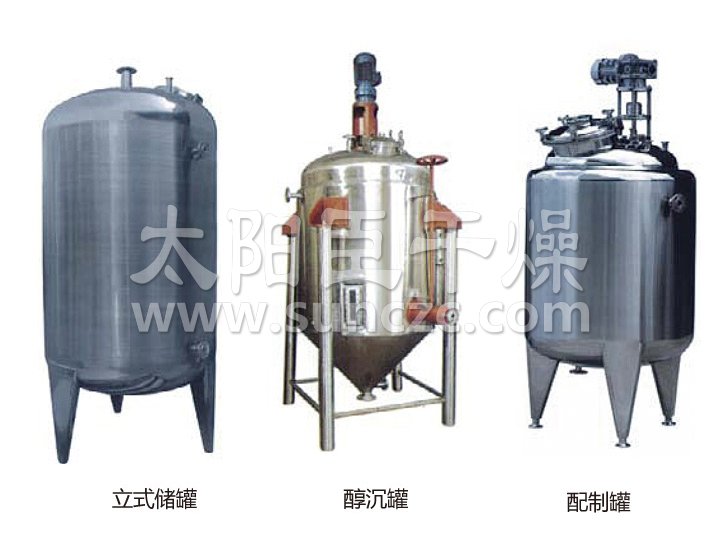 不锈钢贮罐、配制罐 该系列容器适用于制药行业的浓/稀配之用,罐体设有夹层,可加热、冷却、内表面采用电解镜面抛光,封头(锥形)均经旋压加工、符合GMP标准,搅拌装置采用卫生级机械密封,容器保温采用聚氨酯或珍珠棉,接口采用国际标准快装卡箍式,方便卫生,渡边经旋压加工,外表面…







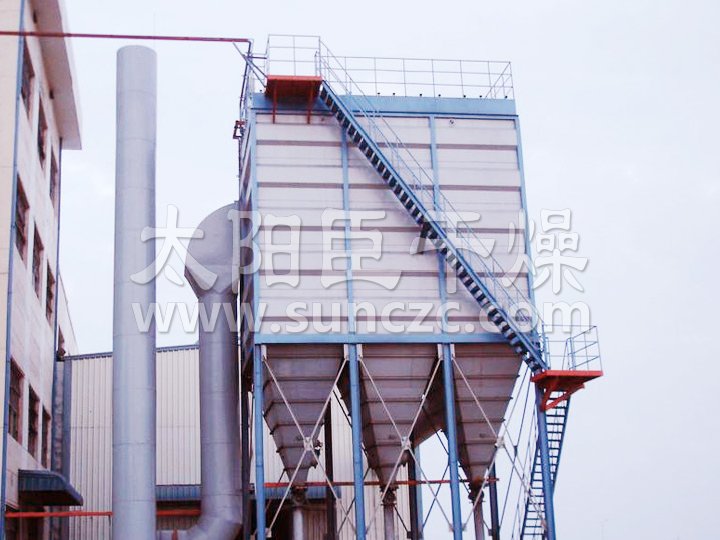
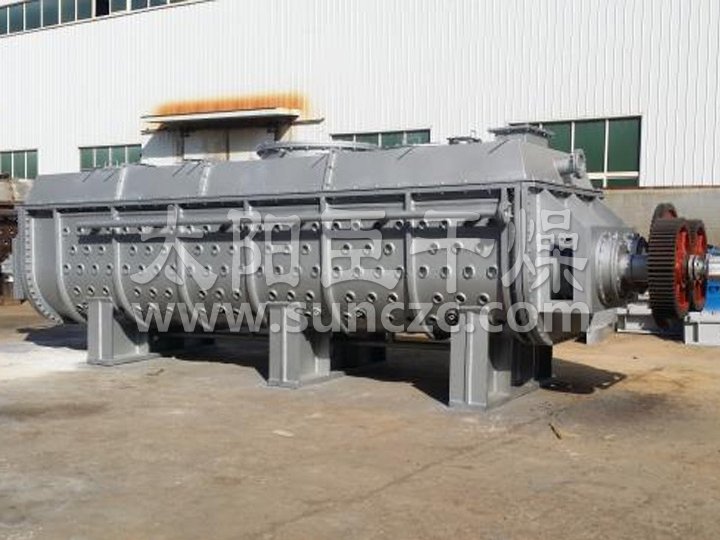
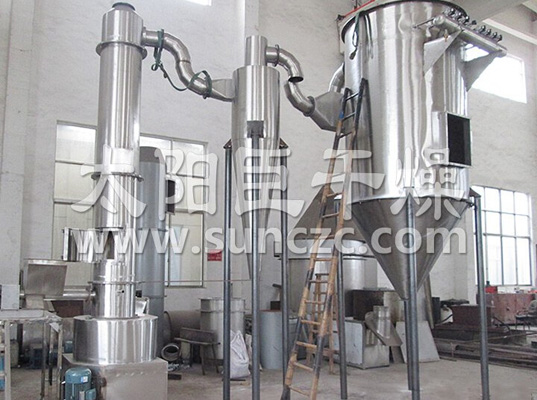 沙巴滚球官网入口:钛白粉烘干机
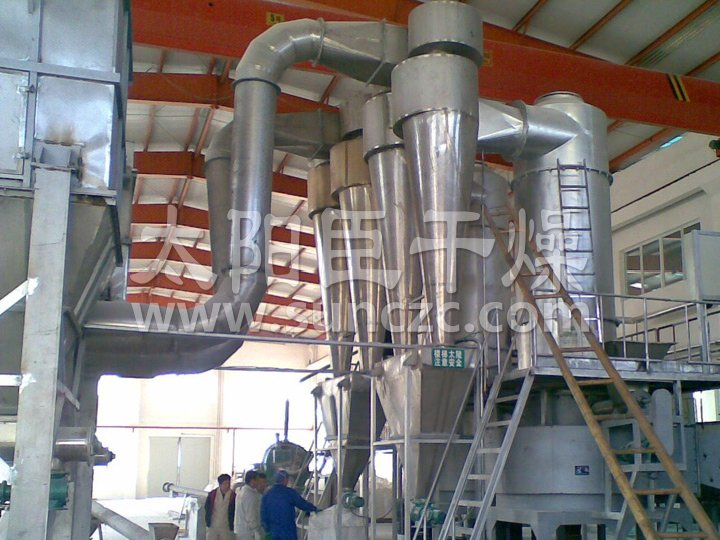 沙巴滚球官网入口:碳化硅闪蒸干燥机